

Can Radiant Pipes be used in a hybrid heating system?
Aug 18, 2026
What a hybrid heating system is. A hybrid heating system combines two or more heating sources to provide efficient and cost-effective heating. This could be a combination of a traditional furnace with a heat pump, or solar panels with a gas heater. The goal is to take advantage of the strengths of each heating source and minimize their weaknesses.
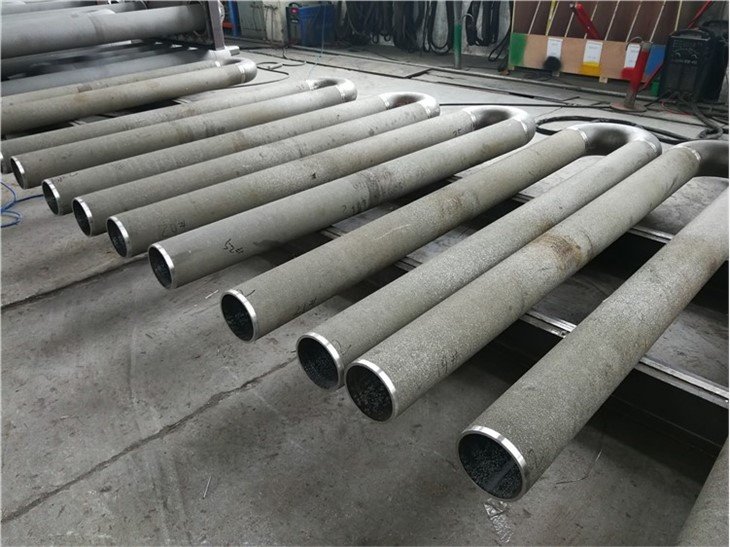
Now, let's look at radiant pipes. Radiant pipes work by transferring heat through radiation. They are often used in industrial applications, like Radiant Pipe for an annealing furnace. These pipes are designed to heat up and radiate heat to the surrounding area. They can be made from different materials, such as steel or ceramic, depending on the application and the temperature requirements.
So, can radiant pipes be used in a hybrid heating system? Yes!
Energy Efficiency
One of the main advantages of using radiant pipes in a hybrid system is energy efficiency. Radiant heating is known for its ability to heat objects directly rather than heating the air. This means that less energy is wasted on heating the air that might escape through drafts or leaks. When combined with another heating source, like a heat pump, the overall energy consumption of the system can be significantly reduced.
For example, during milder weather, the heat pump can handle most of the heating needs. But when the temperature drops significantly, the radiant pipes can kick in to provide additional heat. This way, the system can operate at its most efficient level throughout the year.
Zoning Capabilities
Radiant pipes offer excellent zoning capabilities. You can divide your space into different zones and control the temperature in each zone independently. This is especially useful in large buildings or homes where different areas have different heating requirements.
In a hybrid system, you can use the other heating source to heat the common areas, while the radiant pipes can be used to heat specific zones, like bedrooms or offices. This allows for more precise temperature control and can lead to further energy savings.
Comfort
Radiant heating provides a more comfortable heating experience compared to traditional forced-air systems. The heat is evenly distributed, and there are no cold spots or drafts. This can make a big difference in the overall comfort of a space.
When combined with another heating source in a hybrid system, you can enjoy the best of both worlds. The other heating source can quickly raise the temperature when needed, while the radiant pipes can maintain a consistent and comfortable temperature over time.
Installation and Compatibility
Radiant pipes are relatively easy to install and can be compatible with a wide range of other heating systems. They can be installed in floors, walls, or ceilings, depending on the application.
In a hybrid system, you can integrate the radiant pipes with the existing heating infrastructure without too much hassle. This makes it a practical option for both new construction and retrofit projects.
Cost-Effectiveness
Over the long term, using radiant pipes in a hybrid heating system can be cost-effective. While the initial installation cost of radiant pipes might be higher than some other heating sources, the energy savings and increased comfort can offset this cost.
When combined with another heating source, you can choose the most cost-effective option for different weather conditions. For example, using a heat pump during mild weather and radiant pipes during cold weather can help you save on energy bills.
Industrial Applications
In industrial settings, hybrid heating systems with radiant pipes can be even more beneficial. For instance, in a manufacturing plant, you might have a Forged Work Roll and an Intermediate Roll that need to be heated to a specific temperature. A hybrid system with radiant pipes can provide precise and efficient heating for these critical components.
Similarly, Back up roll in a mill can also benefit from the combination of different heating sources. Radiant pipes can be used to maintain a stable temperature, while another heating source can provide quick heat when needed.
Challenges and Considerations
Of course, there are some challenges and considerations when using radiant pipes in a hybrid heating system. One of the main challenges is the initial cost. As mentioned earlier, the installation of radiant pipes can be more expensive than some other heating options. However, as technology advances and the demand for energy-efficient solutions increases, the cost is likely to come down.
Another consideration is the maintenance. Radiant pipes need to be properly maintained to ensure their efficiency and longevity. This might include regular inspections, cleaning, and in some cases, repairs.
Also, the design of the hybrid system needs to be carefully planned. You need to ensure that the different heating sources work together seamlessly and that the overall system is balanced.
Radiant pipes can definitely be used in a hybrid heating system. They offer many advantages, including energy efficiency, zoning capabilities, comfort, and cost-effectiveness. Whether you're looking to heat a home, an office, or an industrial facility, a hybrid system with radiant pipes can be a great solution.
If you're interested in exploring the possibility of using radiant pipes in a hybrid heating system for your project, I'd love to have a chat with you. We can discuss your specific needs, the design of the system, and the potential benefits.
Welcome to consult. Thank you.