
How accurate is a surface plate?
Jun 22, 2026
Surface Plates
Surface plates are flat, rigid platforms used as a reference for measuring and inspecting workpieces. They are typically made from materials like granite, cast iron, or steel, each with its own set of properties. Granite surface plates are known for their high stability, low thermal expansion, and corrosion resistance. Cast iron plates, on the other hand, are cost-effective and have good vibration-damping characteristics. Steel plates offer high hardness and wear resistance.
The accuracy of a surface plate is determined by its flatness. Flatness refers to the degree to which the surface of the plate conforms to a true plane. It is measured in micrometers (μm) or millionths of a meter. The closer the surface of the plate is to a perfect plane, the higher its accuracy.
Factors Affecting Surface Plate Accuracy
Manufacturing Process
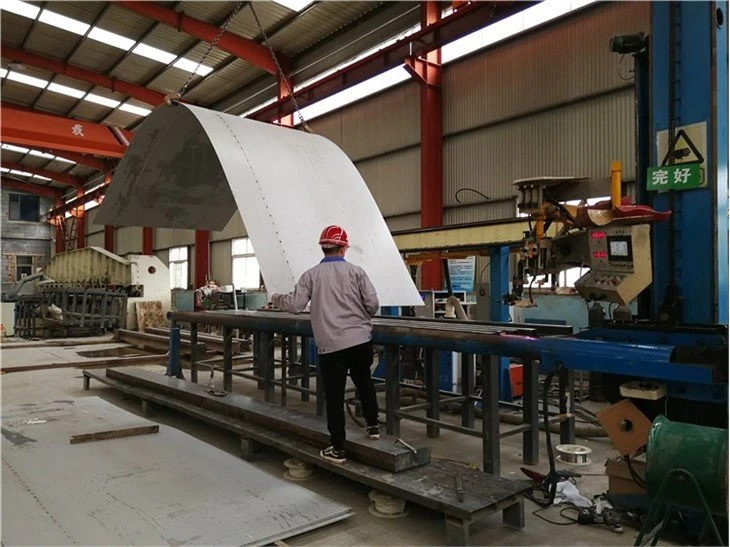
The manufacturing process has a significant impact on the accuracy of a surface plate. High-precision grinding and lapping techniques are used to achieve the desired flatness. In the case of granite surface plates, the natural stone is first cut into a rough shape and then ground and lapped to the required flatness. The skill of the craftsmen and the quality of the equipment used in the manufacturing process are crucial. For example, a well-calibrated grinding machine can ensure a more accurate surface finish.
Material Properties
As mentioned earlier, different materials have different properties that can affect accuracy. Granite has a very low coefficient of thermal expansion, which means it is less likely to deform due to temperature changes. This makes it ideal for applications where high accuracy is required over a wide range of temperatures. Cast iron, while cost-effective, may be more prone to deformation over time due to its relatively higher coefficient of thermal expansion.
Handling and Storage
Proper handling and storage are essential for maintaining the accuracy of a surface plate. Surface plates should be handled with care to avoid impacts and scratches, which can damage the surface and reduce its accuracy. They should be stored in a clean, dry environment with a stable temperature. For instance, if a surface plate is stored in a place with high humidity, it may rust (in the case of steel or cast iron plates), which can affect its flatness.
Measuring Surface Plate Accuracy
There are several methods for measuring the accuracy of a surface plate. One of the most common methods is the use of an optical flat. An optical flat is a precision-made glass plate with a highly polished surface. When placed on the surface plate, interference fringes are formed between the optical flat and the surface plate. By analyzing these fringes, the flatness of the surface plate can be determined.
Another method is the use of a coordinate measuring machine (CMM). A CMM is a highly accurate device that can measure the coordinates of points on the surface of the plate. By taking multiple measurements at different points, the flatness of the surface plate can be calculated.
Industry Standards for Surface Plate Accuracy
There are industry standards that define the acceptable levels of accuracy for surface plates. For example, in the United States, the American National Standards Institute (ANSI) has established standards for surface plates. These standards specify the maximum allowable deviation from a true plane for different grades of surface plates. The grades range from AA (the highest accuracy) to D (the lowest accuracy).
In Europe, the International Organization for Standardization (ISO) also has standards for surface plates. These standards are similar to the ANSI standards but may have some differences in the specific values for flatness tolerances.
Applications and the Need for Accuracy
The level of accuracy required for a surface plate depends on its application. In some industries, such as aerospace and semiconductor manufacturing, extremely high accuracy is required. For example, in the aerospace industry, surface plates are used to inspect the flatness of aircraft components. A small deviation in the flatness of a component can have a significant impact on its performance and safety.
In other industries, such as general machining and metalworking, a lower level of accuracy may be acceptable. For example, in a small-scale machine shop, a surface plate with a lower grade of accuracy may be sufficient for basic measurement and inspection tasks.
Our Surface Plate Offerings
Tingxuan Industry offers a wide range of surface plates with different levels of accuracy to meet the needs of various industries. Our Surface Plate are manufactured using the latest technology and high-quality materials to ensure the highest level of accuracy.
We also provide Transport Plate for safe and secure transportation of our surface plates. These transport plates are designed to protect the surface plates from damage during transit. In addition, we offer Steel Strappings for additional security when shipping the surface plates.
Maintaining Surface Plate Accuracy
Once a surface plate is purchased, it is important to maintain its accuracy. Regular cleaning and inspection are essential. The surface plate should be cleaned with a mild detergent and a soft cloth to remove any dirt or debris. After cleaning, it should be dried thoroughly to prevent rust or corrosion.
Periodic calibration is also necessary to ensure that the surface plate maintains its accuracy over time. Calibration should be performed by a qualified technician using appropriate measuring equipment.
In the end, the accuracy of a surface plate is a critical factor in many industries. It is determined by factors such as the manufacturing process, material properties, handling, and storage. There are industry standards that define the acceptable levels of accuracy, and the level of accuracy
required depends on the application.
Welcome to consult. Thank you.