

How does the material of the sink roll affect its corrosion resistance?
Nov 23, 2026
Sink rolls are super important in various industries, especially in the hot - dip galvanizing process. They're constantly exposed to some pretty harsh conditions, and corrosion can really mess things up.
In the hot - dip galvanizing process, sink rolls are used to guide the steel strip through the molten zinc bath. They have to work continuously in a high - temperature, corrosive environment filled with molten zinc and other chemicals. Corrosion of the sink roll can lead to surface defects on the steel strip, like scratches and uneven coating, which is a big no - no in the manufacturing world.
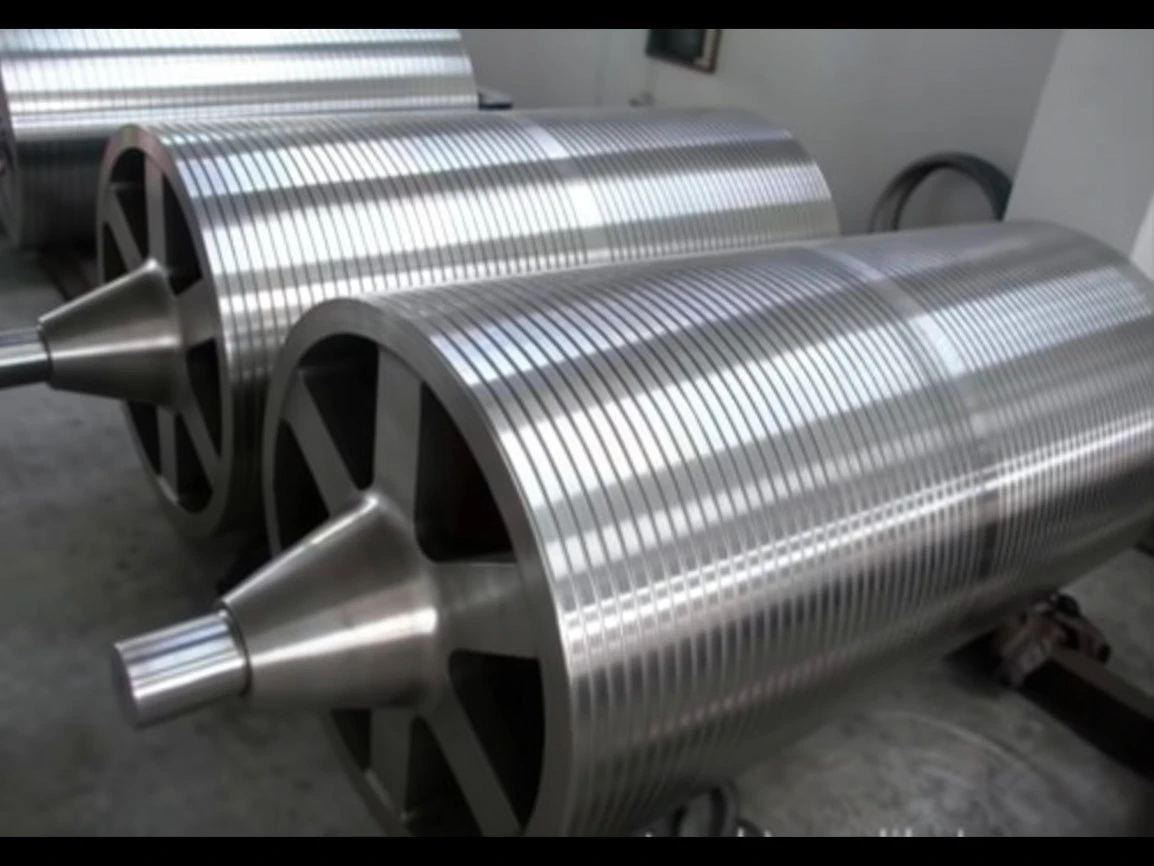
Stainless Steel Sink Rolls
Stainless steel is one of the most commonly used materials for sink rolls. It's popular because it's relatively cheap and easy to work with. But its corrosion resistance varies depending on the grade.
The most common grades are 304 and 316 stainless steel. Grade 304 is a basic austenitic stainless steel. It contains about 18% chromium and 8% nickel. Chromium is the key element here as it forms a thin, protective oxide layer on the surface of the metal. This layer acts as a barrier, preventing oxygen and other corrosive agents from reaching the underlying metal. However, in the harsh environment of a molten zinc bath, the protective layer can be damaged over time. The high temperature and the presence of certain impurities in the zinc can break down the oxide layer, leading to corrosion.
Grade 316 stainless steel is a step up. It has a higher nickel content and also contains about 2-3% molybdenum. Molybdenum enhances the corrosion resistance, especially in environments with chloride ions. In a hot-dip galvanizing bath, there can be traces of chloride from the flux used in the process. So, 316 stainless steel can withstand these conditions better than 304. But still, it's not invincible. Over a long period, it will start to show signs of corrosion, like pitting and rusting.
Ceramic-Coated Sink Rolls
Ceramic - coated sink rolls are becoming more and more popular. The ceramic coating provides a very high level of corrosion resistance. Ceramics are inert materials, which means they don't react easily with other substances.
The ceramic coating acts as a physical barrier between the sink roll substrate (usually steel or some other metal) and the corrosive environment. It can withstand high temperatures and is highly resistant to the attack of molten zinc and other chemicals. However, the quality of the coating is crucial. If there are any defects in the coating, like cracks or pores, the corrosive agents can penetrate through to the substrate and start causing damage.
Another thing to note is that the adhesion of the ceramic coating to the substrate is important. If the coating doesn't adhere well, it can peel off over time, exposing the substrate to corrosion.
Nickel - Based Alloys
Nickel - based alloys are also used for sink rolls. These alloys have excellent corrosion resistance due to the high nickel content. Nickel is very stable in many corrosive environments, and it can form a dense and protective oxide layer.
Alloys like Inconel are often used. Inconel contains a significant amount of nickel, along with chromium and other elements. The chromium in Inconel helps in forming the protective oxide layer, while the nickel provides the overall resistance to corrosion. These alloys can handle high temperatures and the aggressive environment of a hot - dip galvanizing bath much better than stainless steel. But they come at a higher cost. The manufacturing process of nickel - based alloys is more complex, and the raw materials are more expensive.
Effects of Corrosion on Sink Roll Performance
Corrosion can have some serious implications for the performance of sink rolls. It can cause surface defects on the steel strip. When a sink roll corrodes, its surface becomes rough. This roughness is transferred to the steel strip as it passes over the roll, resulting in scratches and uneven coating.
Moreover, corrosion can reduce the lifespan of the sink roll. A corroded roll is weaker and more likely to break down. This means more frequent replacements, which can increase the operating costs for the manufacturing plant. It also leads to downtime for maintenance and replacement, affecting the overall productivity.
Importance of Choosing the Right Material
Choosing the right material for sink rolls is crucial to ensure their long - term performance and reduce maintenance costs. For companies on a tight budget, stainless steel might seem like the obvious choice. But if they want to improve the quality of their products and reduce the frequency of roll replacements, they might consider upgrading to ceramic - coated or nickel - based alloy sink rolls.
Welcome to consult. Thank you.