

How does the sink roll affect the formation of casting defects such as porosity?
Nov 20, 2026
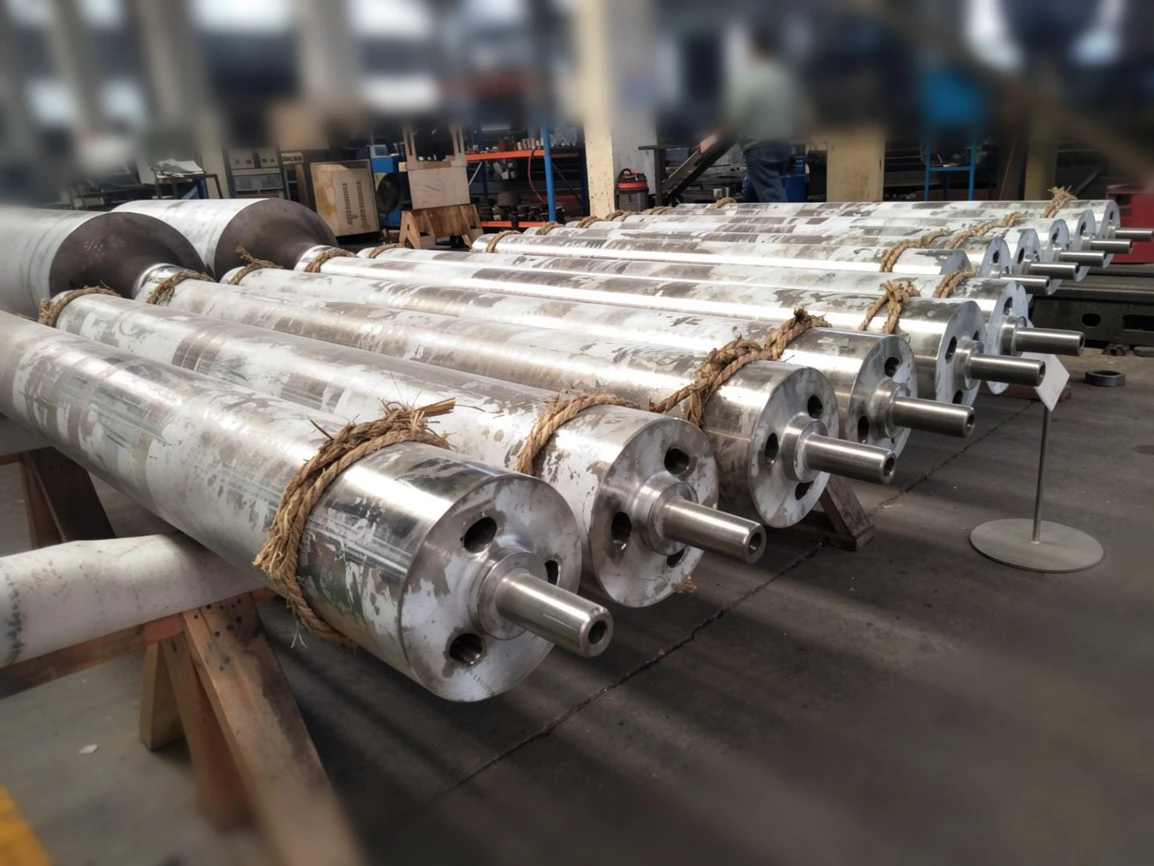
Sink rolls are an essential part of the continuous casting process, particularly in the production of steel sheets. They're these big, round rolls that are usually submerged in a bath of molten metal. Their main job is to guide the solidifying metal strip through the casting machine.
When it comes to porosity in castings, porosity is basically those tiny holes or empty spaces that form inside the cast metal. It can really mess up the quality of the final product. It can weaken the material, make it less resistant to corrosion, and overall, just give it a shoddy appearance.
One of the ways the sink roll affects porosity is through its surface condition. If the surface of the sink roll is rough or has some kind of irregularities, it can cause problems during the casting process. When the molten metal comes into contact with the sink roll, a rough surface can disrupt the smooth flow of the metal. This can lead to the entrapment of gas bubbles in the metal. And guess what? These gas bubbles are one of the main culprits behind porosity.
The roughness of the sink roll's surface can also cause uneven heat transfer. In the casting process, proper heat transfer is super important for the solidification of the metal. If the heat transfer is uneven because of the sink roll's rough surface, some parts of the metal might solidify faster than others. This can create internal stresses in the casting, which can lead to the formation of porosity.
Another factor is the material of the sink roll. Different materials have different properties like thermal conductivity and reactivity with the molten metal. For example, if the sink roll material reacts with the molten metal, it can produce gases. These gases can then get trapped in the casting, causing porosity. Some sink roll materials might also have a lower thermal conductivity, which means they can't transfer heat as efficiently. This can again lead to uneven solidification and porosity.
The rotation speed of the sink roll also plays a role. If the sink roll rotates too fast, it can create a lot of turbulence in the molten metal. This turbulence can cause gas bubbles to form and get trapped in the metal. On the other hand, if the rotation speed is too slow, the metal might not flow smoothly, and it can also lead to the formation of porosity.
So we understand the importance of providing high - quality sink rolls to minimize these issues. We make sure that the surface finish of our sink rolls is as smooth as possible. We use advanced manufacturing techniques to achieve a precise surface finish that allows the molten metal to flow smoothly over the roll without causing gas entrapment.
We also carefully select the materials for our sink rolls. We choose materials that have high thermal conductivity and low reactivity with the molten metal. This helps ensure proper heat transfer and reduces the chances of gas production during the casting process.
If you're in the business of metal casting and are looking for reliable and high - quality sink rolls or any of our other products, we'd love to have a chat with you. We can discuss your specific requirements and help you find the best solution for your casting process. Contact us to start a procurement discussion and take your casting quality to the next level! Thank you.