

Do Radiant Pipes need a thermostat?
Nov 04, 2026
Radiant pipes are an integral part of many industrial and residential heating systems. They work by transferring heat through radiation, which is a more efficient and comfortable way of heating compared to traditional convection heating. The heat radiates from the pipes directly to the objects and people in the room, creating a warm and cozy environment.
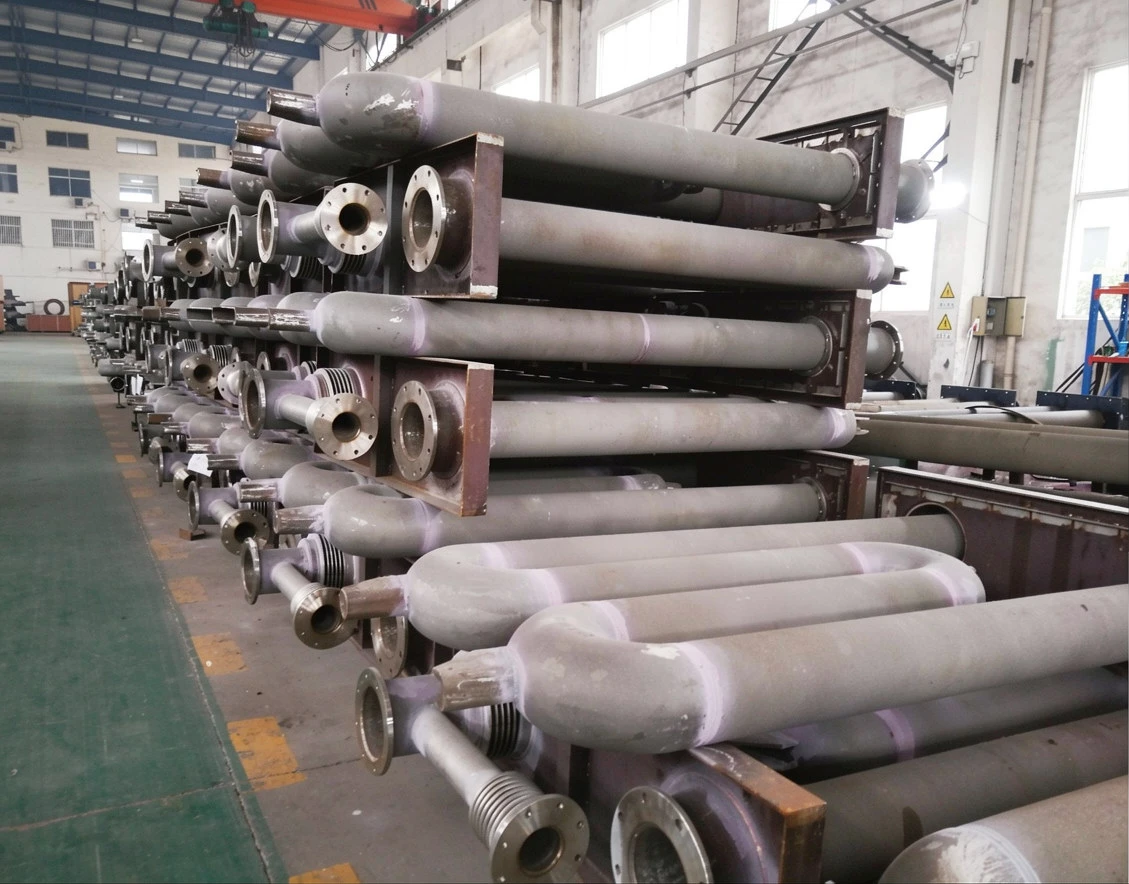
For instance, in an annealing furnace, Radiant Pipe for Annealing Furnace play a vital role in maintaining the right temperature for the annealing process. These pipes are designed to withstand high temperatures and provide a consistent heat source.
The Function of a Thermostat
A thermostat is a device that controls the temperature of a heating system. It works by sensing the ambient temperature and adjusting the heat output of the radiant pipes accordingly. This ensures that the temperature in the room remains within a set range, providing a comfortable and energy - efficient environment.
In an industrial setting, a thermostat can be used to precisely control the temperature in a furnace. For example, in a furnace with Furnace Roll, maintaining the correct temperature is crucial for the quality of the rolled products. A thermostat can help in achieving this by regulating the heat output of the radiant pipes.
Do Radiant Pipes Need a Thermostat?
Depend on several factors.
Energy Efficiency
One of the main reasons to use a thermostat with radiant pipes is energy efficiency. Without a thermostat, the radiant pipes will continue to heat the room even when the desired temperature has been reached. This can lead to overheating and wasted energy. A thermostat, on the other hand, can turn off the heat when the temperature reaches the set point and turn it back on when the temperature drops. This helps in reducing energy consumption and lowering utility bills.
Comfort
A thermostat also enhances the comfort of the living or working environment. It ensures that the temperature remains stable, preventing sudden temperature fluctuations. For example, in a residential setting, a thermostat can keep the room at a constant and comfortable temperature throughout the day and night.
Process Control
In industrial applications, such as in annealing furnaces, precise temperature control is essential. A thermostat allows for accurate regulation of the temperature, which is crucial for the quality of the end product. In a furnace with Back up roll, maintaining the right temperature can prevent issues such as warping or cracking of the rolls.
Cost - Effectiveness
While a thermostat adds to the initial cost of the radiant heating system, it can save money in the long run. By reducing energy consumption, it pays for itself over time. Additionally, it can extend the lifespan of the radiant pipes by preventing overheating.
Types of Thermostats for Radiant Pipes
Programmable Thermostats
These thermostats allow you to set different temperature schedules for different times of the day. For example, you can set a lower temperature at night when you're sleeping and a higher temperature during the day when you're awake. This provides greater control and energy savings.
Smart Thermostats
Smart thermostats are connected to the internet and can be controlled remotely using a smartphone or other devices. They can also learn your temperature preferences over time and adjust the settings automatically. This offers convenience and further energy savings.
Installation and Maintenance
Installing a thermostat for radiant pipes requires some technical knowledge. It's important to ensure that the thermostat is compatible with the radiant heating system and is installed correctly. Regular maintenance is also necessary to ensure that the thermostat functions properly. This includes checking the battery (if it's a battery - powered thermostat), cleaning the sensors, and calibrating the thermostat periodically.
Radiant pipes can function without a thermostat; using one offers numerous benefits. A thermostat improves energy efficiency, enhances comfort, provides precise process control, and is cost - effective in the long run. Whether you're using radiant pipes in a residential or industrial setting, a thermostat is a valuable addition to your heating system.
Welcome to consult. Thanks.