


Tingxuan as a manufacturer of high quality Rolling Guides, is dedicated to delivering superior Rolling Guides and professional services to steel mills, engineered wood manufacturers, and paper mills. In addition to manufacturing Rolling Guides, we also provide Refiner Spares, Mill Accessories, and Other Spares. As one of China’s leading suppliers of Rolling Guides, our team ensures that each product adheres to high standards, driven by our commitment to quality and innovation. We also offer personalized services tailored to your specific needs, enabling you to achieve the best value for your investment. You can learn more about our services by exploring the product information below, or you may contact our professional service team directly

What is Rolling Guide?
The Rolling Guide is a device used in rolling mills to ensure the correct alignment and guidance of metal as it passes through rollers during the rolling process. It plays a crucial role in shaping and controlling the material. Among the types of rolling guides, the Mill Guide and Roller Guide are commonly used. The Mill Guide ensures proper positioning of the metal before it enters the rolling mill, reducing deformation or misalignment. The Roller Guide, on the other hand, utilizes rotating rollers to guide and support the material as it moves, improving precision and reducing wear on the equipment.
-
![Custom Nose Piece / Guide Tip For Rolling Mill]()
Custom Nose Piece / Guide Tip For Rolling Mill
Add to Inquiry -
![Mill Guide]() Add to Inquiry
Add to Inquiry -
![Roller Guide]() Add to Inquiry
Add to Inquiry
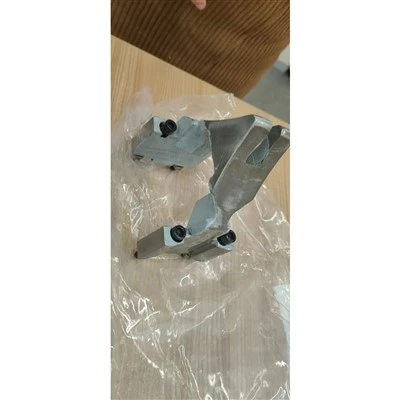


What are features of Rolling Guide ?
Precise Alignment: Rolling Guides are designed to ensure accurate alignment of metal as it passes through the rollers, whether using a Mill Guide or a Roller Guide. This precise positioning is vital to prevent the material from twisting, bending, or becoming misaligned during the rolling process. Proper alignment results in a more consistent and higher-quality end product, as misaligned material can lead to uneven thickness or structural weaknesses.
Reduced Equipment Wear: Both Mill and Roller Guides play a significant role in reducing wear and tear on rolling mill equipment. By minimizing direct contact and friction between the material and the rollers, these guides help prevent excessive strain on the machinery. In particular, Roller Guides, which use rotating rollers, further decrease friction, extending the lifespan of the rolling mill components and reducing maintenance costs.
Increased Rolling Efficiency: Rolling Guides, whether Mill or Roller type, enhance overall efficiency by allowing for faster rolling speeds and smoother material transitions. Their precise guidance minimizes the risk of the material jamming or getting caught in the rollers, thus reducing downtime. This improved process flow enables mills to increase production rates while maintaining high product quality, ensuring smoother operations overall.
Uniform Force Distribution: A critical feature of Rolling Guides is their ability to distribute force evenly across the material. Both Mill and Roller Guides help to apply uniform pressure throughout the rolling process, ensuring that the metal is shaped evenly. This leads to consistent thickness and improved structural integrity of the final product, reducing the need for additional corrections or refinements post-rolling.
What are the main types of Rolling Guide?

Slide Guide
A slide guide is a type of rolling guide system where the material is guided through the mill by sliding along a fixed surface. This guide uses low-friction surfaces or lubrication to reduce wear and minimize resistance as the material passes through. Slide guides are simple, cost-effective, and easy to maintain, but they generally have higher friction compared to roller guides, which can lead to wear over time. They are often used in situations where high precision is not the primary concern, such as in the early stages of rolling where rough shaping is sufficient. Their robustness makes them suitable for handling heavy loads and less sensitive to dirt or debris in the mill environment.
Roller Guide
The Roller Guide is a key component in wire rod, rebar, and profile rolling mills, ensuring smooth, accurate, and stable material movement through the rolling process. It consists of parts like a guide box, guide plate, support arm, rollers, bearings, nose pieces, and lubrication and cooling systems. These elements work together to align the metal, minimize friction, and prevent wear on the machinery. The rollers keep the material in position, while the lubrication and cooling systems maintain efficiency by reducing heat and wear. Widely used in modern plants, the Roller Guide enhances production speed, surface quality, and extends the life of rolling equipment.

What are the Applications of Rolling Guide?
Wire Rod and Rebar Rolling
In wire rod and rebar rolling, both Mill Guides and Roller Guides are essential. The Mill Guide ensures that the incoming metal billets are aligned before entering the rolling mill, preventing misalignment that could lead to defects. Once aligned, Roller Guides help maintain the metal's position as it moves through the rollers, minimizing friction and ensuring smooth, stable rolling. This combination enhances production speed, precision, and surface quality, making it ideal for producing high-quality wire rods and rebars in large-scale manufacturing plants.
Profile Rolling
In profile rolling, where materials like beams, channels, and angles are formed, Mill and Roller Guides work in tandem. The Mill Guide aligns the incoming metal profiles, ensuring they enter the rolling mill correctly, while the Roller Guide keeps them on track throughout the rolling process. The precise alignment from the Mill Guide, followed by the controlled guidance of the Roller Guide, ensures consistent shaping and uniformity in the final profiles. This setup increases the efficiency of production, reduces energy consumption, and ensures high-quality finished products.
Slitting Rolling Process
In the slitting rolling process, used to split billets into multiple strands for further processing, Mill and Roller Guides play a crucial role. The Mill Guide ensures that the billet is precisely aligned before slitting, preventing misalignment during the longitudinal splitting. Roller Guides then take over, maintaining the correct path for each strand as they move through the rolling mill. This combination results in higher productivity, reduced energy consumption, and improved dimensional accuracy for each strand.
Maintenance Tips for Rolling Guide?
Regular inspection and cleaning are vital to prevent debris, metal shavings, or dust from accumulating around the rollers and bearings. These can cause misalignment or blockages, disrupting the rolling process. Frequent visual inspections help identify wear, damage, or corrosion early, preventing further issues. Clean thoroughly to maintain smooth operation and avoid costly downtimes due to unexpected breakdowns.
Proper lubrication of moving parts like rollers and bearings is essential to reduce friction and wear. Inadequate lubrication leads to overheating and faster component deterioration. Regular application of the recommended lubricants ensures smoother operation, prolongs the life of the guide, and enhances efficiency, particularly during high-speed rolling processes.
Regularly check for worn-out components such as rollers, bearings, and guide plates. These parts endure heavy stress and may crack, thin, or wear unevenly. Timely replacement of worn components ensures the guide continues operating effectively and prevents malfunctions that could result in poor product quality or machine damage.
Maintaining proper alignment is crucial for optimal performance. Misalignment can lead to material deformation and increased wear. Regular calibration of the guide frame, rollers, and support arms ensures precise feeding of materials. Proper alignment helps maintain product quality and protects equipment from unnecessary strain and damage.
The cooling and lubrication systems should be closely monitored to prevent overheating and excess friction, both of which can cause premature wear. Check coolant and lubricant levels regularly and ensure the systems are functioning effectively. This helps prolong component life and ensures smooth operation in high-speed rolling environments.
The Rolling Guide. mainly consists of the following structures
Guide Frame
Typically made from high-strength steel or heat-resistant alloys, the guide frame provides structural support and stability for the entire guide system. Its rigidity ensures that the guide can withstand high pressure and temperatures during the rolling process, maintaining proper alignment and preventing deformation under stress.
Rollers
Rollers are commonly made from wear-resistant steel or carbide materials. These materials are chosen for their ability to handle the intense friction and heat generated when guiding metal through the mill. The rollers' material must be durable enough to ensure a smooth, continuous rolling process without excessive wear, extending the component’s lifespan.
Bearings
Bearings are crucial for minimizing friction within the Roller Guide system. They are typically constructed from high-grade steel or ceramic materials that offer excellent heat resistance and wear resistance. Their role is to support smooth, efficient movement of the rollers, enhancing the accuracy and reducing the energy required for rolling.
Lubrication and Cooling Systems
The materials in the lubrication and cooling systems include high-quality synthetic oils and heat-resistant metals for the piping and valves. These systems are vital for keeping the moving parts, especially the rollers and bearings, well-lubricated and cool, preventing overheating and excessive wear during high-speed operations.
What is the process of Rolling Guide?
Material Selection: The first step in the manufacturing process of a Rolling Guide is selecting high-quality, durable materials. Components like the guide frame, rollers, and bearings require materials that can withstand high pressures, temperatures, and friction. Typically, heat-resistant steel alloys, wear-resistant carbides, or high-grade ceramics are chosen to ensure long-lasting performance and resistance to wear and tear in harsh rolling environments.
Component Fabrication: Once materials are selected, each component of the Rolling Guide—such as the rollers, bearings, guide plates, and support arms—is precision-machined. This process involves cutting, shaping, and finishing each part to exact specifications using advanced machining tools. Proper fabrication ensures that the components fit together seamlessly and function with high accuracy during the rolling process.
Heat Treatment: Heat treatment is applied to components such as the rollers and bearings to enhance their hardness and wear resistance. This process involves heating the parts to a specific temperature and then rapidly cooling them to improve their durability. Heat treatment ensures that the components can endure high pressures and friction without excessive wear during long-term operation.
Assembly: After individual components are fabricated, the Rolling Guide is assembled. This involves installing the rollers, bearings, and guide plates into the guide box or frame, ensuring everything aligns perfectly. Careful attention is paid to positioning and securing each part, as misalignment can cause operational issues. Lubrication and cooling systems may also be integrated during this phase.
Final Testing and Quality Control: Once assembled, the Rolling Guide undergoes rigorous testing and quality control checks. This includes verifying the smooth operation of moving parts, ensuring alignment, and testing the durability under simulated rolling conditions. Any flaws or irregularities are addressed at this stage to ensure the guide meets performance standards before being deployed in a rolling mill.
How To Cooperate With Us ?
Send us your requests
We would like you to provide us with the following information: drawings (with dimensions/materials/hardness/tolerances, etc.), delivery time,delivery terms,payment terms,inspection requirements.
Details confirmation
We will confirm all the details with you according to your specific requirements and drawing information to ensure that our cooperation goes smoothly.
Machining and production
After confirming the contract details and placing the order we will carry out the machining and production plan at the first time and keep you updated with our production progress.
Professional inspection and shipment
After the completion of machining and production, we will inspect and prepare for delivery according to your requirements, and update the progress and information required for receiving the goods for you in time.
Our Reliable Control


We're well-known as one of the leading rolling guide manufacturers and suppliers in China. Please rest assured to buy high quality rolling guide at competitive price from our factory. For customized service, contact us now.
Slitting Guides, Guide Roller, Roller Guide